
ILLUMINATED SIGNAGE – LIGHT BOXES, LIT LETTERS AND BACKLIT PANELS
Illuminated signage designed, fabricated, wired and installed for Central Coast businesses. From simple light boxes through to halo-lit letters and fully backlit facade panels.


Design – Fabrication – Electrical – Installation
Light Boxes – Face Lit Letters – Halo Lit Letters – Backlit Panels – LED Message Boards
Central Coast Locals
Types of Illuminated Signage
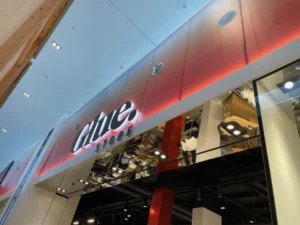
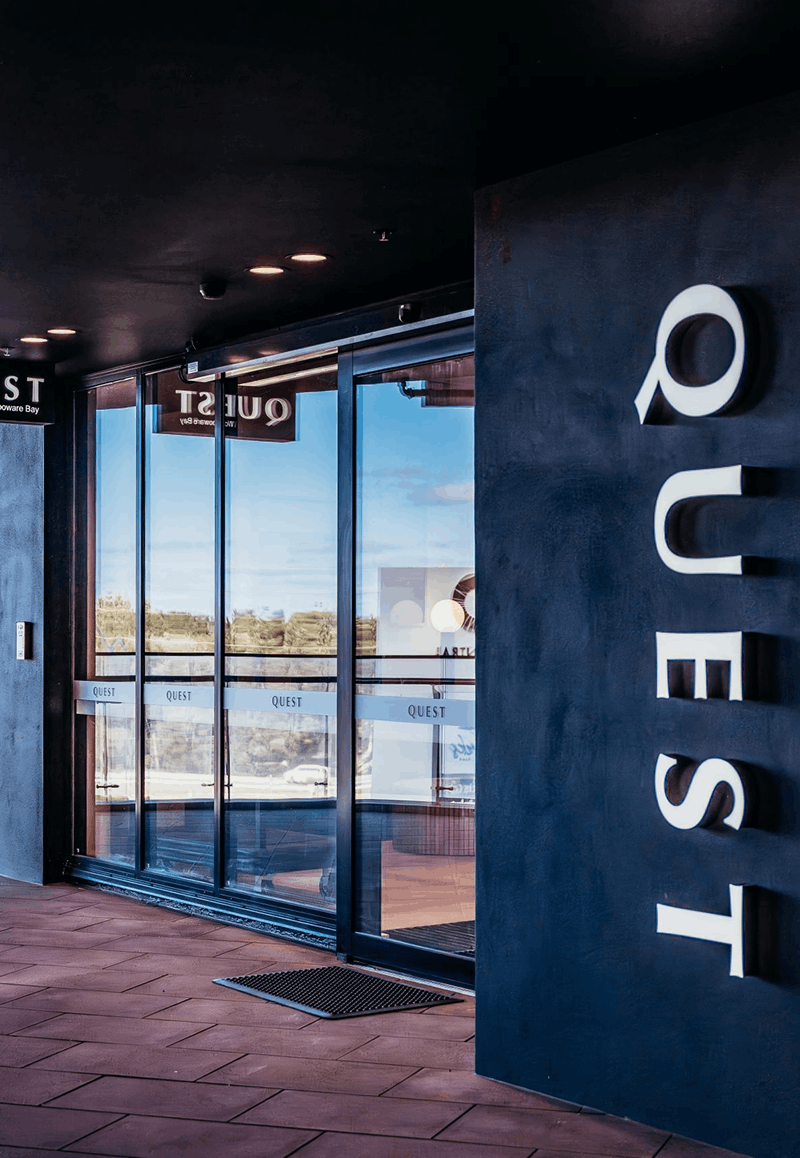
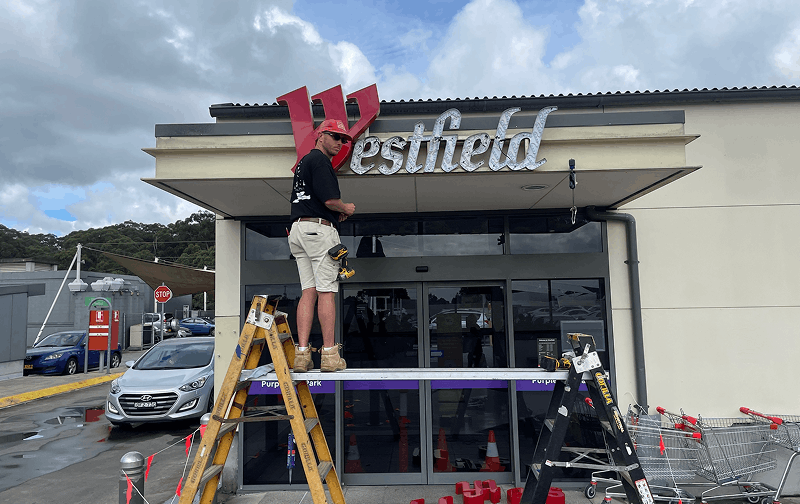
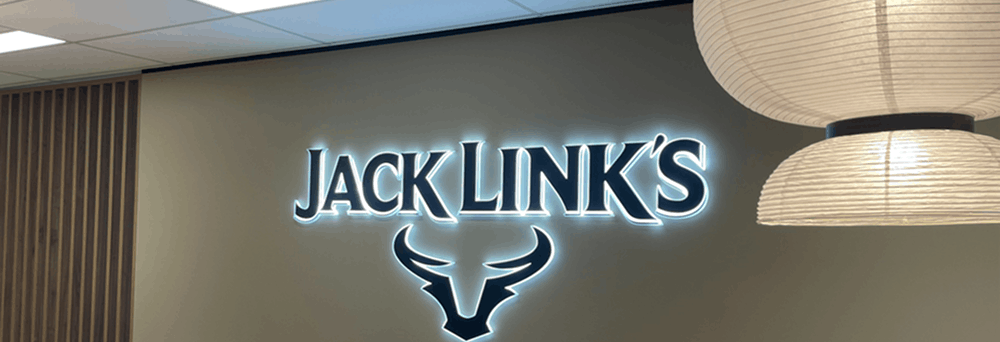
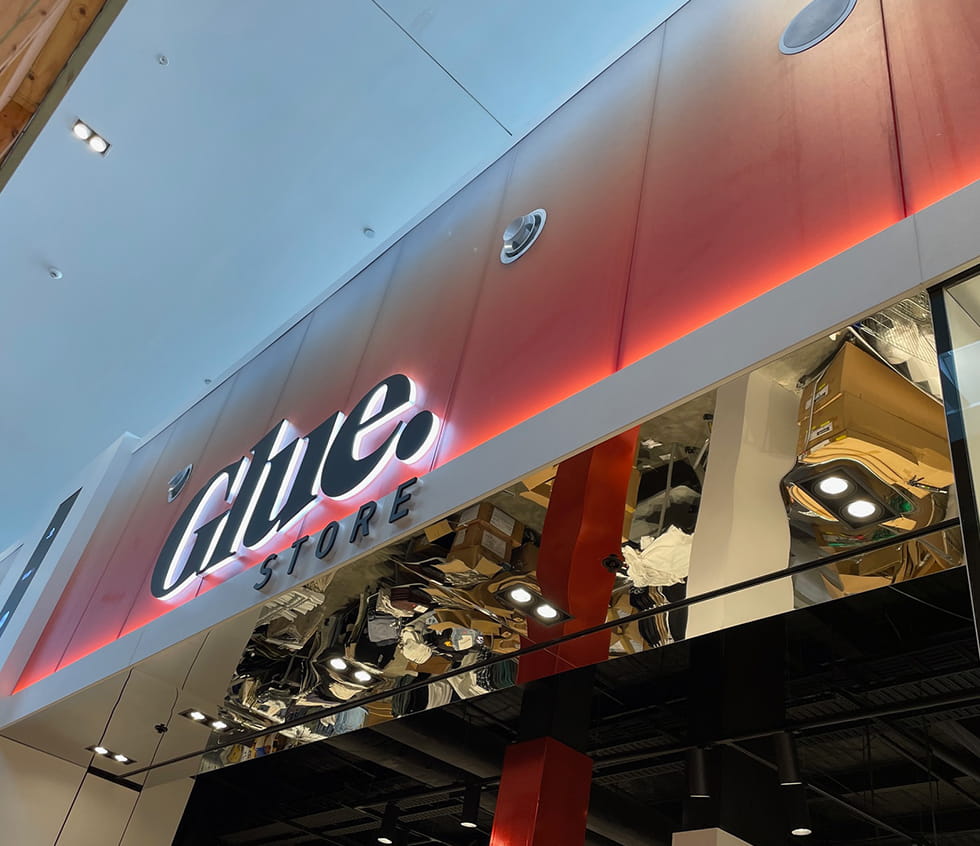
Light boxes. A sealed cabinet with a translucent face, lit evenly from within. The most cost-effective illuminated option and the most common on shopfronts and under awnings. Face-lit letters. Individual 3D letters with translucent faces that glow. Higher impact than a box because the letters read as separate shapes. Halo-lit letters. Solid-faced letters with LEDs behind, throwing light onto the wall so the letters are silhouetted against a glow. A premium, understated look.
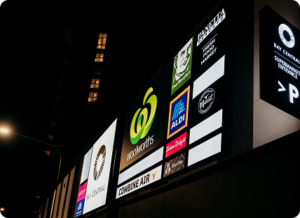
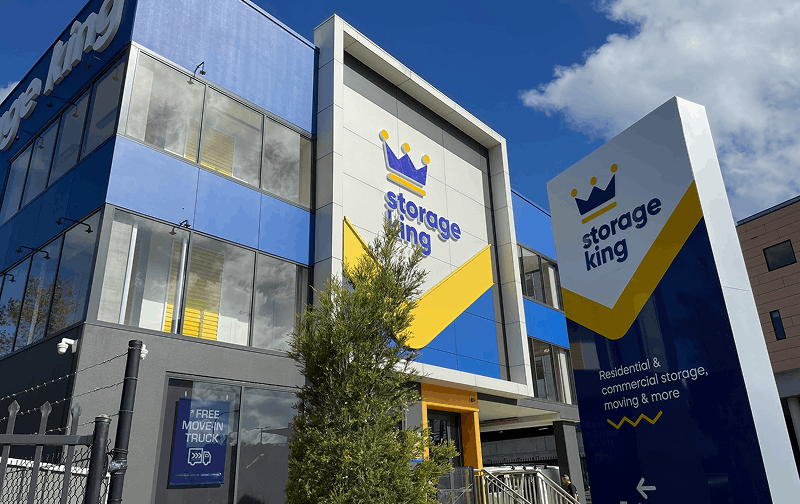
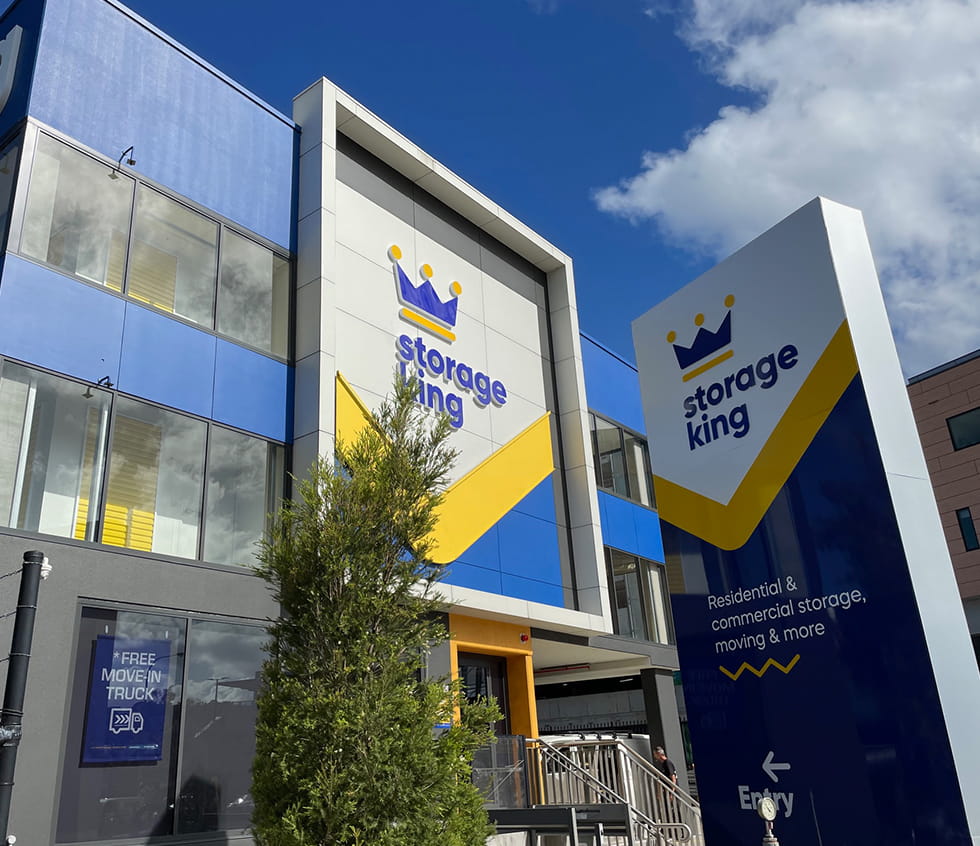
Backlit panels and facades. Larger illuminated surfaces used as feature elements across a building front. LED message boards. Programmable digital displays for changing content, pricing or promotions. Illuminated pylons and blade signs. Free-standing or projecting signage lit for after-dark visibility.
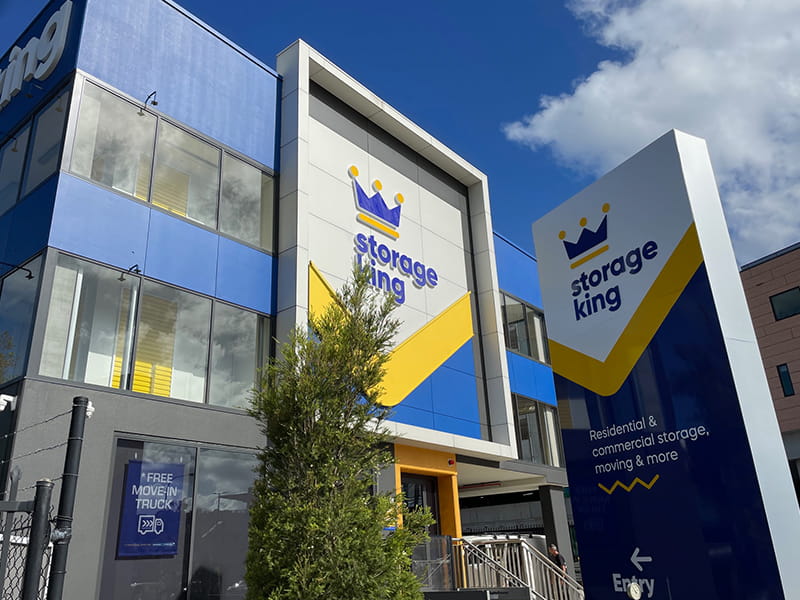
Light Boxes
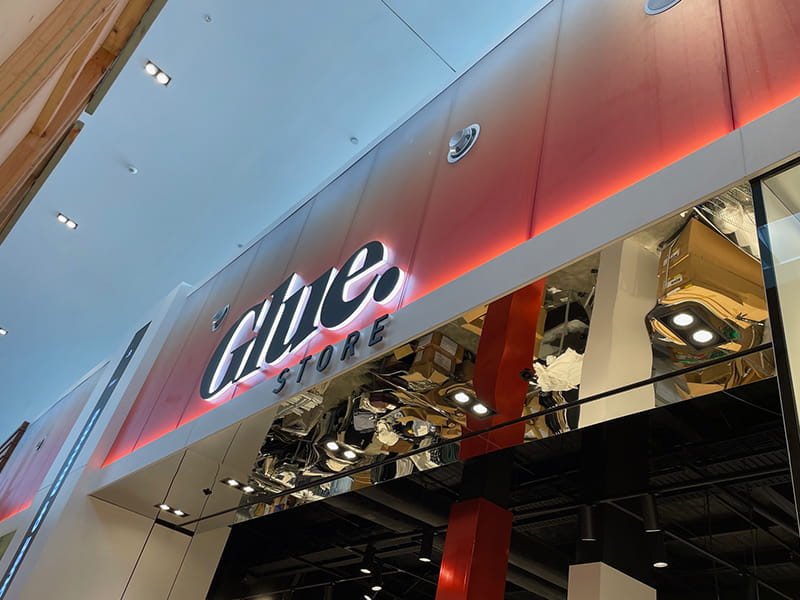
Face Lit Letters
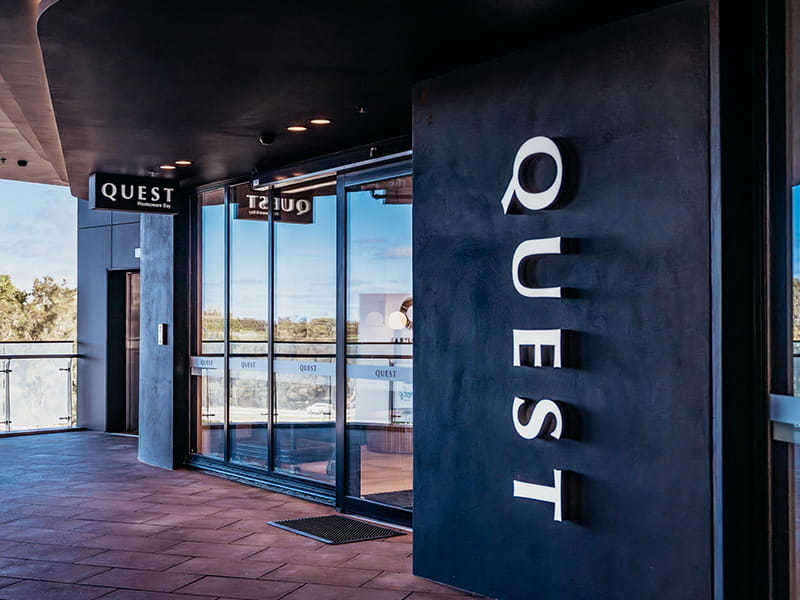
Halo Lit Letters
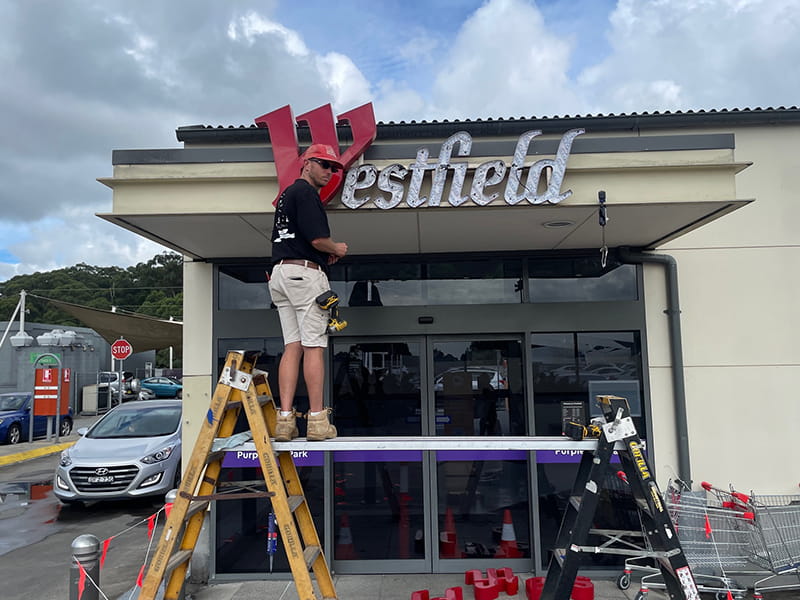
Backlit Panels
Light Boxes
Face Lit Letters
Halo Lit Letters
Backlit Panels
Central Coast Locals
How Illuminated Signs Are Built
An illuminated sign is a fabricated housing with an electrical system inside it. The housing is generally aluminium or ACM, with an acrylic or polycarbonate face that diffuses the light.
Inside sit LED modules, a driver that converts mains power to low voltage, and the wiring that connects it all. Module spacing is calculated against the depth of the housing – too far apart or too shallow and the face shows visible bright spots rather than an even glow.
Housing
Aluminium or ACM fabricated cabinet or letter returns.
LED modules
Spaced and specified for the face area and depth.
Driver
Sized with headroom, IP-rated to suit the location.
Face
Acrylic or polycarbonate, translucent, sometimes with applied vinyl for colour.
Access
Removable face or service panel so components can be replaced later.

POWER, CONTROL AND COMPLIANCE
Illuminated signage requires a mains power supply at or near the sign, and the final connection is licensed electrical work. If there’s no existing supply at the location, a cable run needs to be included in the scope.
Control options include a manual switch, a timer, or a photocell that turns the sign on at dusk automatically. Timers are the common choice for businesses that want the sign lit past closing without paying for overnight running.
Approval requirements vary. Landlords and shopping centres often have signage criteria covering size, illumination type and operating hours, and some councils have conditions on brightness and hours for illuminated signage, particularly near residential areas. These are worth checking early because they can change the design.
The Central Coast Difference
RUNNING COSTS AND MAINTENANCE
Modern LED signage draws very little power – a typical shopfront light box costs a few dollars a week to run. That’s a substantial change from older fluorescent and neon systems, which is why almost all illuminated signage is now LED.
Maintenance is minimal but not zero.
- LED modules have a long service life but individual modules can fail and create dead spots.
- Drivers are usually the first component to need replacement.
- Signs built with service access are far cheaper to repair than sealed units.
- Faces should be cleaned periodically, as grime reduces brightness noticeably.
- Quality LEDs hold colour; cheaper ones drift yellow at different rates and make the face patchy.
Process, Timeframes and Getting a Quote
Send a photo of the frontage, rough dimensions of the available space, and any brand or logo files. Let us know whether there’s existing power at the location if you’re aware.

Step 1
Review & Quote
We look at the frontage, viewing angles and power availability, recommend an illumination type and provide costs.

Step 2
Design & Approval
Mockups shown day and night on a photo of your building. Landlord, centre or council requirements identified at this stage.

Step 3
Fabrication & Installation
The unit is built and wired in our workshop, then mounted and connected on site with licensed electrical work. Most standard installs are completed in a day.
See What Our Customers Are Saying


WORK GALLERY
Explore Recent Work
FAQ’s
Frequently Asked Questions
We produce a wide range of signage including shopfront signs, LED signage, fabricated letters, window graphics, vehicle wraps and general business signage.
Yes. We can assist with the design side, refinements to existing artwork and the full production and installation process.
Absolutely. If your current signage needs a refresh, relight, reface or full replacement, we can help assess the best option.
Absolutely. Vehicle wraps and graphics are a great way to carry your branding across your fleet or daily work vehicles.
Yes. LED signage and illuminated branding can be supplied depending on the project requirements.
Illuminated signs require electrical work, which can add a day. If council approval is needed, that
process can add additional time before we can install. we’ll factor this into your timeline from the
start.
Not anytime soon if its done right. We use commercial-grade panels, UV-resistant Perspex, and vinyl rated for 5–7 years outdoor use. Cheap signs fade quicker because of
cheap materials and poor preparation, we don’t take those shortcuts.
No problem. We offer design consultation and
can create signage that builds or matches your brand. Most clients just show us examples they
like and their existing brand colours, we create mockups from there.
Yes. We can match Pantone colours,
existing signage, and brand guidelines precisely. We’ll show you material samples and mockups
so you know exactly what you’re getting before anything is made.
We’re based on the Central Coast and primarily service Gosford, Erina, Tuggerah, Wyong, Terrigal, Berkeley Vale, Warnervale, The
Entrance, Lake Haven, and surrounding areas. For larger commercial projects, we can travel to
Newcastle, Sydney or even further, just ask.
All quotes include: design consultation, design mockups, council
approval assistance (if needed), premium materials (ACM/Perspex/LED), professional
installation, electrical work for illuminated signs, and 12-month workmanship warranty. No
hidden fees.
With premium materials and proper installation, your shopfront
sign should last 7–10+ years. ACM panels last 10+ years. LED modules last 50,000+ hours
(5–7 years of daily use). UV-resistant vinyl lasts 5–7 years. Cheap signs fail in 12–24 months.
Yes, wraps offer excellent protection against common environmental factors like UV exposure, minor abrasions, and road debris, helping preserve your car’s original condition.
Yes, partial wraps are available, allowing you to customise specific vehicle areas, such as the roof, hood, mirrors, or accent details.
Typically, car wraps for colour change takes between 2-5 days. We’ll provide an accurate timeline during your initial consultation.
Pricing varies based on vehicle size, wrap type, and complexity. Contact us directly for a detailed, personalised quote tailored to your vehicle and design preferences.
Virtually unlimited! We offer an extensive range of colours, finishes, and textures—from matte and gloss to chrome and carbon fibre options.
Regular gentle hand washing with mild soap is recommended. Avoid automated car washes and harsh chemicals to maintain the wrap’s longevity and appearance.
Absolutely! One major benefit of car wraps is their removability. Our professional team can remove the wrap safely, restoring your vehicle to its original paint.
No, professionally installed car wraps actually protect your original paint from minor scratches, UV rays, and everyday wear and tear.
High-quality wraps typically last between 5-7 years, depending on care, environmental conditions, and the quality of installation.
A colour change car wrap involves applying a vinyl film to your vehicle to change its appearance. It’s a popular alternative to traditional painting, allowing greater customisation and flexibility.
No. It helps with everyday surface wear and spills within the selected product’s limits. It does not make stone unbreakable or replace chopping boards, trivets and proper care.
The protective principle is similar, but the product needs to be suitable for stone benchtops. Automotive film specifications and warranties should not be assumed to apply
We can assess it. The stone, finish and condition determine suitability, and existing damage may need restoration before film is applied.
Organise it before the benchtop goes into regular use. Contact us while the kitchen is being finished so we can plan installation once the stone and surrounding work are ready.
Many sound cupboard surfaces can be considered. Send photos of the finish, door profiles and any damage so we can assess preparation and film suitability.
It can be a cost-effective option when the layout and cabinetry are worth keeping. The saving depends on the number of surfaces, preparation and chosen film; a quote gives you a useful comparison.
Yes, on suitable surfaces such as wardrobes, internal doors, reception counters and interior panels. We assess the application and select the film accordingly.
No. A decorative architectural film changes the appearance of a surface. Clear benchtop protection film is a separate product selected to help protect suitable stone.
Yes, subject to the condition of the surface and existing coating. We also check whether the current layout still suits the site before repeating it.
We can discuss a revised layout and the treatment of old markings. Supply any approved plans and confirm site requirements before the new set-out is agreed.
It depends on the marking system and site conditions. We confirm the required drying or curing period for your job so you can plan access.
The amount and type of marking, surface preparation, old-line treatment, access and the number of visits required. Photos and a layout help us price the work accurately.
Get in Touch
We’d love to hear from you

Email Us
MARK@BESPOKE-SIGNS.COM.AU

Phone
Call us
0484 597 703
Areas We Service

Gosford

Tuggerah

Wyong

Erina
